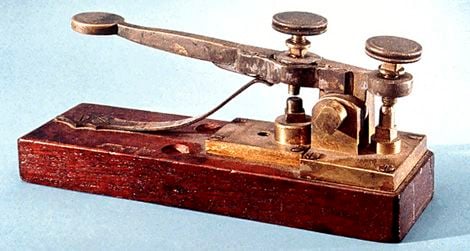
Oh baby. The telegraph. The marvel of the 19th century. The absolute pinnacle of technological achievement—if you enjoy sending messages at the thrilling speed of one word per minute. Instead of simply texting “How are you?” and getting an instant reply, you’d head to the nearest telegraph office, pay per word—because nothing says progress like being charged for every syllable of human connection—and then wait as your message embarked on a journey of questionable efficiency. The recipient? Well, they’d get the message eventually. Maybe in an hour, maybe in a day—who knows!
And let’s talk about the excitement of deciphering Morse code. Because why settle for reading a normal, legible message when you can translate a bunch of beeps and dashes. What a delightful way to ensure that every conversation takes five times longer than necessary. Of course, telegraphs weren’t all bad. They revolutionized communication in their time, which is a fancy way of saying they were slightly better than sending messages via carrier pigeon or smoke signals. Wars were won, empires expanded, and businesses thrived—all thanks to this gloriously inefficient, wildly expensive, and painfully slow technology.
But, alas, the telegraph eventually met its demise, taken down by its more competent successors—like the telephone, email, and texting. And honestly, good riddance. Who wants to spend their day counting dots and dashes? Rest in peace, dear telegraph. You walked so the internet could sprint.